
What Are the Clear Signs That Indicate a Roof Needs Repair Rather Than Replacement?
Knowing whether your roof needs a targeted fix or a complete overhaul starts with identifying the scope and nature of the damage. When roof issues are caught early, a targeted repair can resolve the vulnerability without the disruption of a full tear-off.
The primary indicators that point toward a straightforward repair rather than a replacement include:
- Isolated wind damage: A small cluster of blown-off, torn, or lifted tabs following a severe gust.
- Localized flashing compromise: Cracked sealant, rusted metal, or pulled-away flashing around chimneys, dormers, skylights, and vent stacks.
- Punctures or impact marks: A localized dent from a fallen tree limb where surrounding decking remains structurally intact.
- Minor interior drip spots: A single, traceable leak appearing directly below an attic penetration or single valley.
One reason why asphalt shingle roofing is still the king of the cul de sac is its modular design. If an isolated section suffers damage, individual shingles can be carefully unsealed, detached from their fastener strip, and replaced with fresh units without disturbing the integrity of the surrounding roofing system.
When we evaluate standard roof problems across Oakland, Wayne, and Macomb counties, our first step is determining if the issue is confined to the surface layer or if it has compromised the wooden decking below. If the decking is solid, dry, and unwarped, a targeted repair is often the most sensible path forward.
How Do You Distinguish Between Flashing Leaks and Shingle Failures?
Flashing failures and field shingle degradation represent two distinct mechanical issues on your roof. Flashing consists of thin metal sheets installed at transitions, roof valleys, and roof penetrations—such as plumbing vents, chimneys, and skylights. Over years of freeze-thaw cycles in Southeast Michigan, thermal expansion causes metal to warp and caulking sealants to crack.
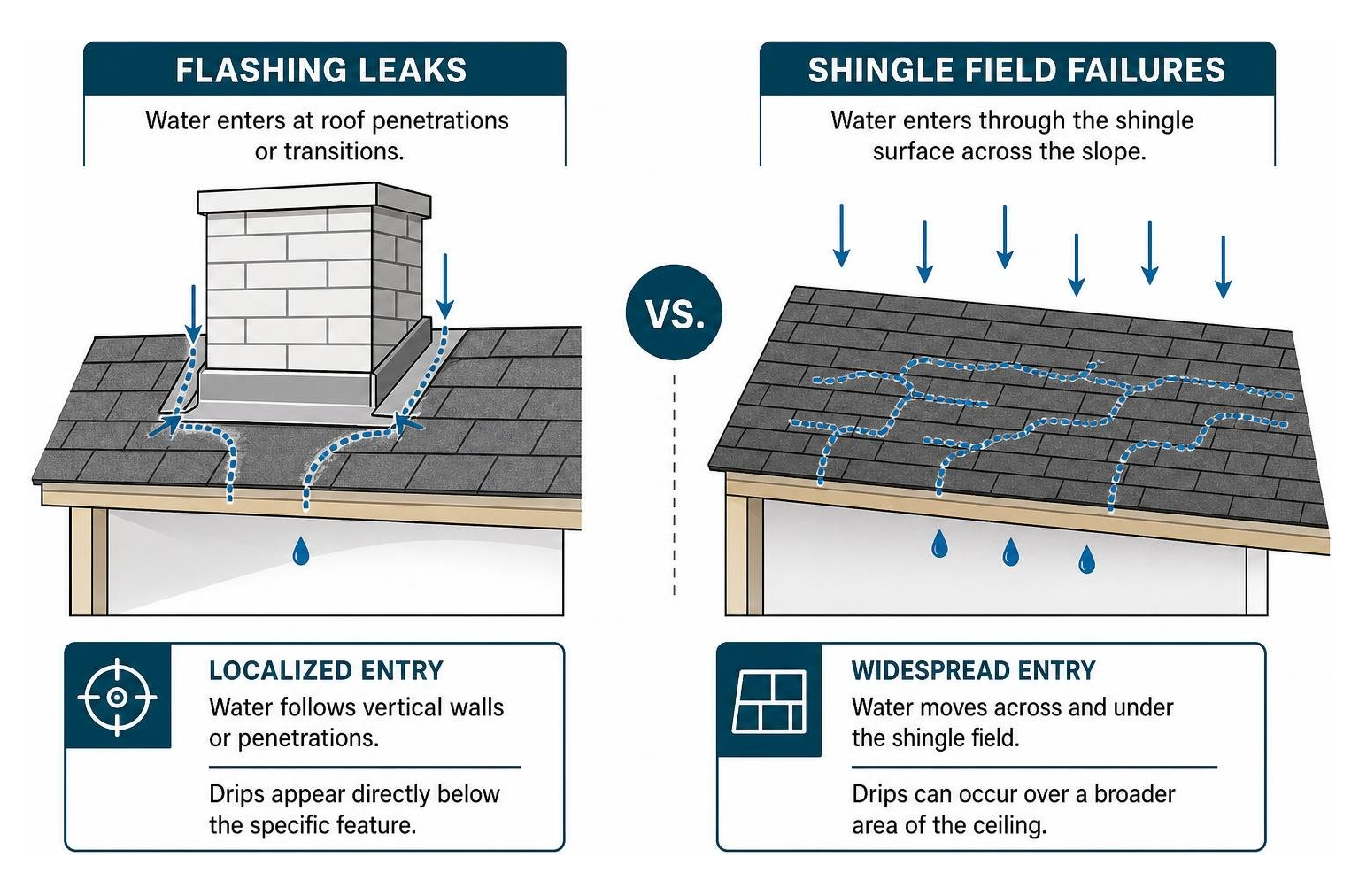
When flashing fails, water enters along vertical walls or around vent pipes, typically dripping directly below that specific roof feature. In contrast, shingle failure involves loss of protective granules, widespread curling, or brittle matting across the entire field. While failing shingles compromise the whole slope, flashing failures are almost always localized mechanical issues that can be solved by replacing the metal, securing new rubber pipe boots, and resealing the perimeter.
What Ground-Level and Attic Clues Point to Isolated Damage?
You do not need to climb onto a dangerous, steep slope to spot early signs of roof distress. A methodical walk around your home’s perimeter and a quick visit to your attic can give you valuable diagnostic clues.
- Ground-Level Indicators: Check your yard and gutter discharge zones for stray shingle tabs, excessive granule buildup in downspouts, or cracked plastic vent caps. Look at your fascia boards for localized peeling paint or drip lines that signal water bypassing the gutter line.
- Attic-Level Indicators: Take a flashlight into the attic during daylight hours. Look for pinpricks of light coming through roof decking near valleys or vents. Check the underside of the plywood sheathing: an isolated, localized dark water ring indicates a single entry point, whereas widespread black discoloration or pervasive white mold across entire sections of rafters points to systematic condensation or widespread failure.
As standard industry evaluation guidelines indicate, roofs with limited, recent damage that still have significant service life remaining are ideal candidates for spot repairs. Conversely, if your roof was installed decades ago and has weathered countless Michigan winters, localized repairs will quickly become an ongoing battle. Homeowners preparing for major home decisions can review a homeowners guide to roof replacement in 2026 to better understand total structural life cycles.
On low-slope commercial properties or flat residential additions, alternative restorative systems can often extend service life. In those situations, property owners can stop the leaks with these commercial roof coating systems rather than paying for a complete structural tear-off.
When Does Repeated Patching Become a False Economy?
There comes a point where spot repairs no longer make financial or structural sense. As noted in Roof Repair, Roof Renewal, or Full Replacement? A Pract , ongoing leaks that return season after season often signify that cumulative repairs are draining resources without solving the root problem.
When an aging roof reaches the point where shingles have lost their flexibility, attempting to slip a new shingle beneath an existing course will crack the brittle tabs above it. This creates a cascade of new damage with every repair attempt. If you find yourself scheduling repairs every spring and autumn, investing in a single, comprehensive replacement protects your home’s structural framing and restores complete peace of mind.
How Does Material Longevity Influence Your Repair Strategy?
Roofing materials degrade through constant exposure to ultraviolet radiation, wind cycling, and temperature fluctuations. On asphalt shingles, protective ceramic granules shield the underlying petroleum-based asphalt mat from UV degradation.
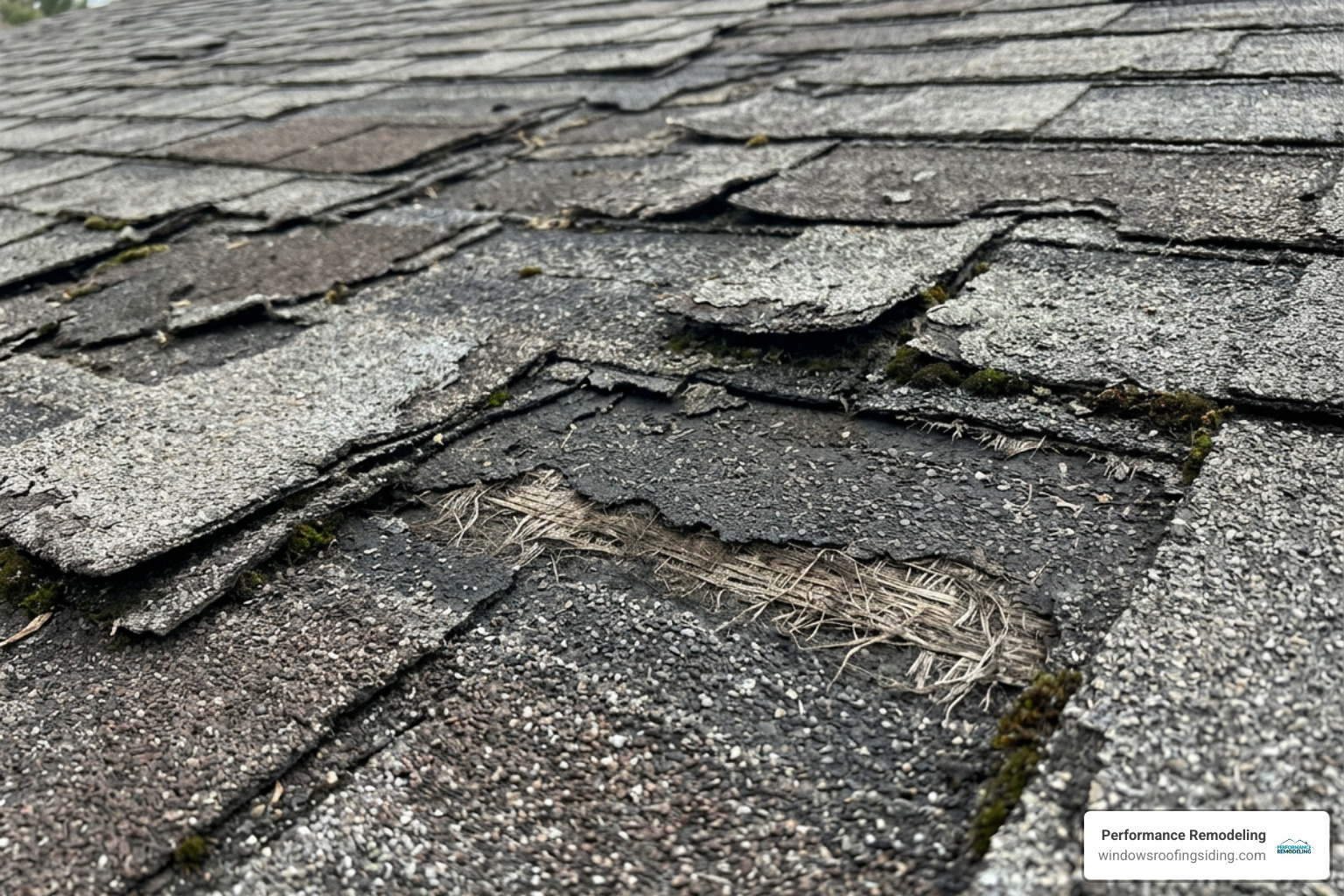
Once granules erode into the gutters, the underlying asphalt dries out, shrinks, and micro-cracks. When thermal shock occurs—such as a freezing Michigan winter night following a bright, sunny afternoon—aged shingles experience micro-tears around fastener penetrations. If your roof exhibits bald spots, cupping edges, or widespread mat exposure across entire slopes, simple surface repairs can no longer restore waterproofing integrity.
How Should You Assess Storm Damage and Hidden Structural Issues?
Severe weather across Southeast Michigan—ranging from summer hail in Novi and Plymouth to high wind storms across Shelby Township and Rochester Hills—can inflict sudden damage on your roof. Evaluating storm damage requires understanding the difference between minor aesthetic marks and structural compromises.
- Hail Impact: Hail strikes do not always leave immediate holes. Instead, hail crushes the fiberglass matting beneath the shingle surface, dislodging protective granules and creating bruised depressions where water will penetrate over subsequent months.
- Wind Creasing: High winds lift shingle tabs, breaking their adhesive seal. Even if the shingle lays back down, the horizontal crease left along the top of the tab indicates the internal fiberglass mat is fractured.
- Debris Impact: Heavy limbs can crack rafters or puncture roof sheathing beneath the surface layer without showing catastrophic displacement from ground level.
Having a professional assessment from certified contractors like the best farmington mi roofing experts for your home ensures that hidden bruises and loosened flashing are identified before internal water leaks develop. Proactive homeowners also keep your home safe with roof maintenance in farmington mi by scheduling regular seasonal checks following severe weather events.
What Hidden Decking and Ventilation Flaws Go Unnoticed from the Ground?
What happens underneath your shingles is just as important as what happens on top. From the driveway, your roofline might look straight, but an up-close physical inspection can uncover serious issues:
- Plywood Delamination: Continuous exposure to minor seepage causes structural plywood and OSB decking to delaminate, swell, and rot. Walking on these areas reveals spongy, soft spots that cannot safely anchor fasteners.
- Inadequate Attic Ventilation: If soffit intake vents are blocked by insulation, or if ridge exhaust vents are undersized, superheated humid air builds up in your attic. This moisture condenses on the underside of the decking, causing premature rot and warping from the inside out.
- Ice Dam Migration: In winter, poor attic insulation allows warm air to melt snow on the upper roof. As runoff reaches the unheated eaves, it refreezes, pushing water up under the shingles and drip edge, saturating the interior framing.
What Steps Should You Follow When Filing an Insurance Claim After a Severe Storm?
If a severe weather event causes damage to your roof, taking the proper documentation steps ensures your claim proceeds smoothly:
- Prioritize Safety First: Never climb onto a wet, storm-damaged roof. Perform all initial visual checks safely from the ground.
- Document Thoroughly: Take date-stamped photos and video recordings of fallen shingles, dented gutters, damaged window wraps, and any indoor ceiling leaks before clean-up begins.
- Perform Temporary Mitigation: If water is entering the home, install emergency tarps over the affected area or place catch basins inside the attic to prevent drywall damage. Keep all receipts for temporary protective supplies.
- Secure a Professional Scope: Contact a licensed roofing company to perform a thorough physical assessment and draft a detailed report outlining the exact scope of storm damage.
- Coordinate with the Adjuster: Provide your contractor’s detailed inspection report directly to your insurance adjuster to ensure all structural components—including underlayment and drip edges—are properly accounted for.
What Are the Hidden Risks and Long-Term Costs of Delaying Roof Repairs?
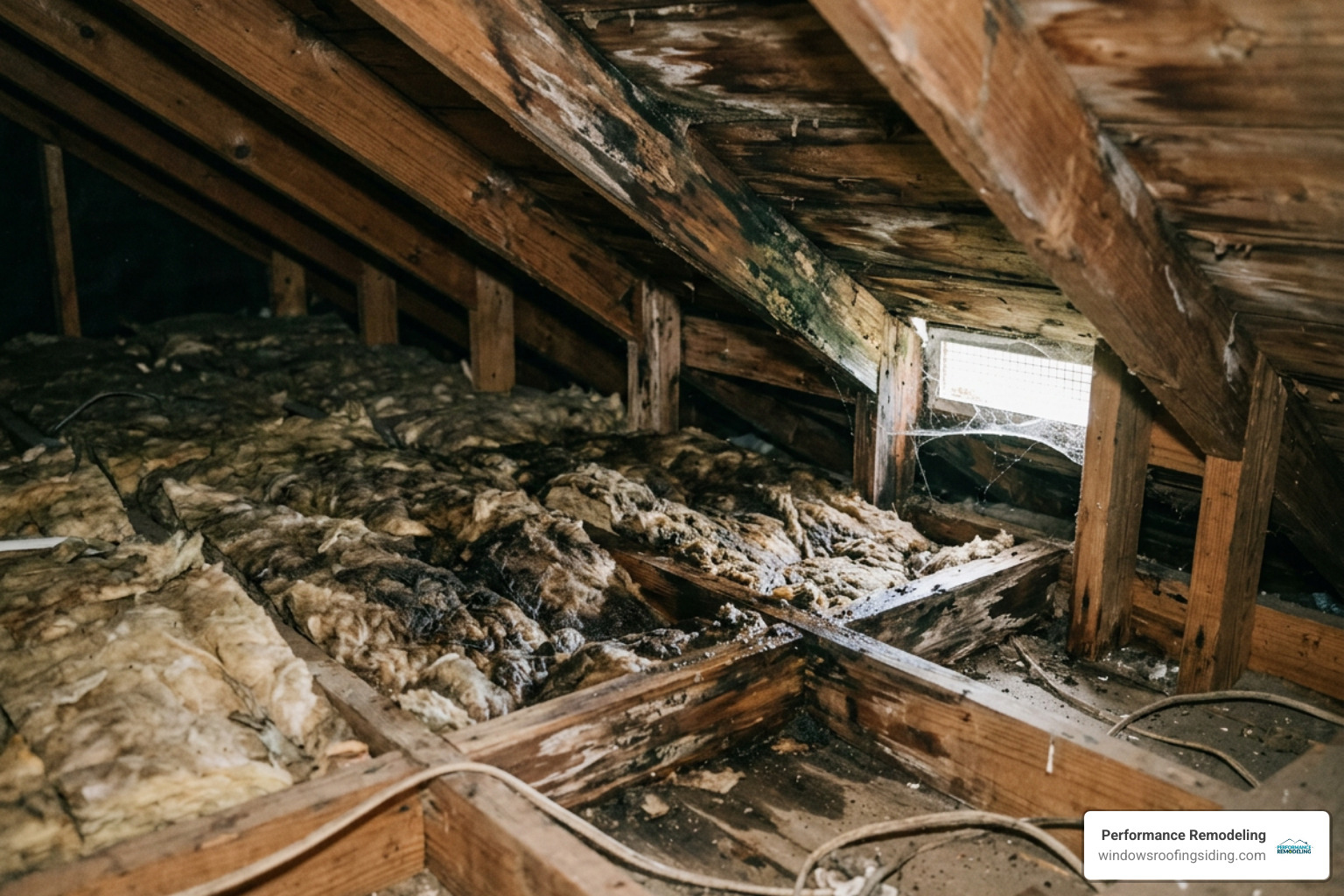
Postponing a roof repair to “deal with it next season” is one of the most expensive gambles a homeowner can take. A minor opening in your roof envelope allows moisture to infiltrate your home’s framing and living spaces.
The primary structural risks of delayed roof repairs include:
- Rotted Roof Trusses and Decking: Water running down rafters slowly softens structural framing, eventually leading to sagging rooflines that require extensive carpentry repairs during eventual replacement.
- Insulation Ruin and Energy Loss: Saturated fiberglass or cellulose attic insulation loses its R-value, clumping together and creating thermal voids. This forces your heating and cooling systems to run harder, driving up monthly utility bills.
- Mold and Air Quality Hazards: Moisture trapped in warm attics creates an ideal environment for black mold and mildew spores, which spread through HVAC return ducts into family bedrooms and living areas.
- Interior Drywall and Electrical Damage: Water rarely travels straight down; it follows pipes and wiring channels before pooling on ceiling drywall, potentially causing ceiling collapses or short-circuiting electrical junction boxes.
Investing in timely, professional roofing repairs protects the equity, safety, and energy efficiency of your property. Our comprehensive exterior services at Performance Remodeling are engineered to withstand Michigan’s climate extremes, backed by our industry-leading lifetime guarantee.
What Are the Most Common Questions Homeowners Ask About Roof Repair?
Can You Repair an Asphalt Roof That Has Multiple Shingle Layers?
Repairing an asphalt roof that already has two layers of shingles (an overlay) is difficult and often prohibited by local Michigan municipal building codes. Overlay roofs trap excess heat, degrade faster, and conceal hidden rotted decking beneath the lower layer. Fasteners driven into a double-layer roof frequently fail to hold properly against high winds. In nearly every instance where a double-layer roof develops leaks, a full tear-off down to the bare wooden deck is required to ensure a watertight installation.
When Should You Call a Professional Instead of Attempting a DIY Roof Fix?
While applying roofing sealant to a loose gutter bracket is a straightforward DIY task, repairing shingles or flashing on a pitched roof carries serious safety and structural risks. Walking on steep slopes presents severe fall hazards, and stepping on brittle shingles can cause more damage than the storm did. Furthermore, incorrect nail placement or using improper caulking compounds can void existing manufacturer warranties.
Whenever you observe active leaks, soft decking spots, or damage near complex chimney and valley flashing, reach out directly via our contact us page so our certified specialists can perform a thorough diagnostic evaluation.
How Can You Make the Right Choice for Your Roof Today?
Deciding whether your home needs an isolated repair or a complete replacement comes down to weighing the age of your roof, the extent of the damage, and the condition of the structural decking underneath. For roofs under 15 years old with isolated shingle blow-offs or localized flashing leaks, targeted repair work provides a dependable, cost-effective solution. When roofs exceed two decades of service, exhibit widespread granule loss, or suffer recurring leaks, a complete tear-off and replacement resets your home’s protection for decades to come.
At Performance Remodeling, we believe in giving Southeast Michigan homeowners honest, straightforward guidance without high-pressure sales tactics. Serving communities throughout Oakland, Macomb, Wayne, and surrounding counties, we bring experienced craftsmanship and our region-leading lifetime guarantee to every project. Whether you need an emergency repair after a storm or a complete exterior upgrade, our team is here to ensure your home remains safe, dry, and secure through every season.