
When a Dented or Damaged Garage Door Panel Stops You in Your Tracks
Garage door panel replacement is one of the most common home repair decisions Metro Detroit homeowners face — and one of the most misunderstood.
Here’s the short answer most people need:
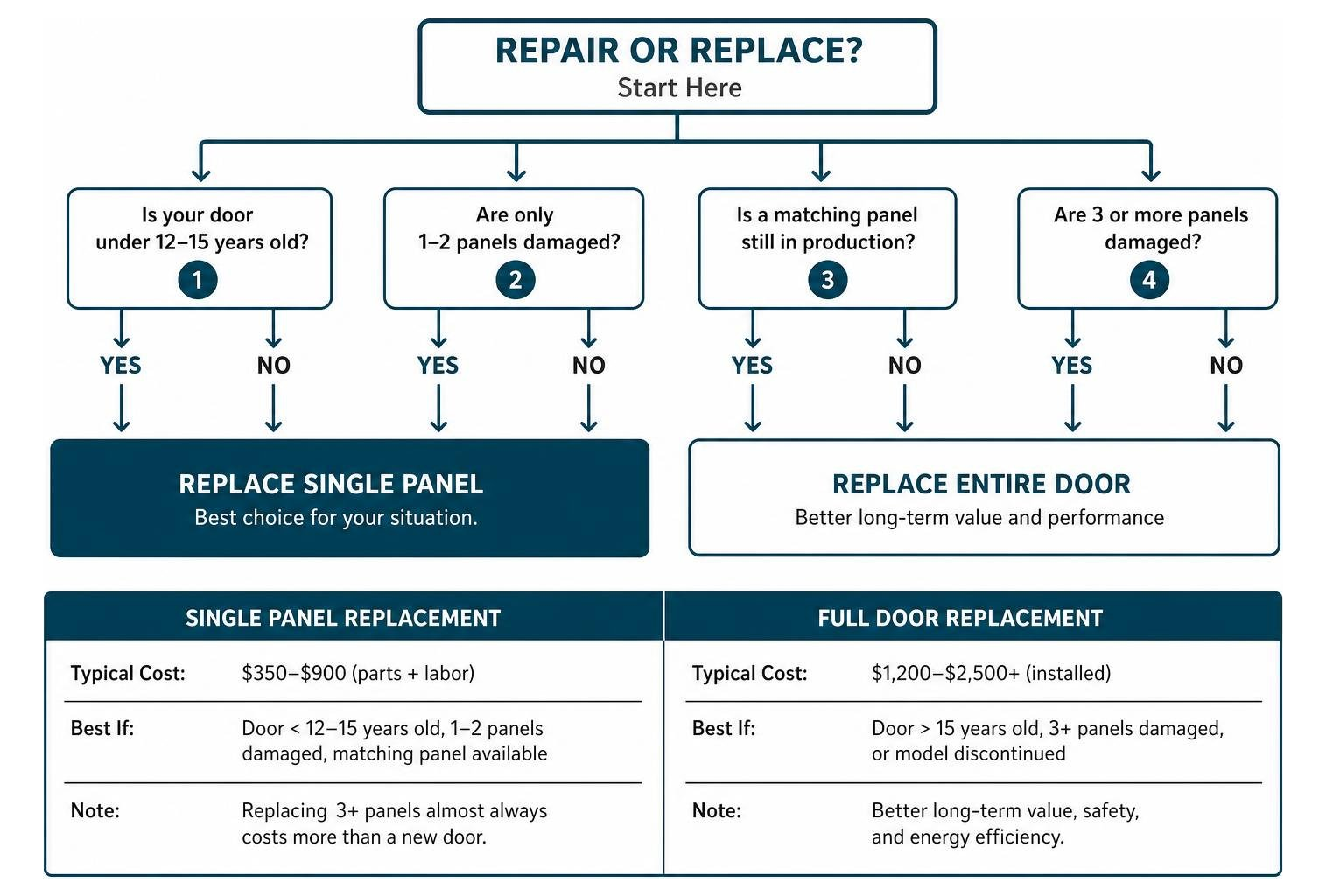
- Replace a single panel if the door is under 12-15 years old, only 1-2 panels are damaged, and a matching panel is still in production.
- Replace the entire door if 3 or more panels are damaged, the door is over 15 years old, or the model has been discontinued.
- Replacing 3+ panels almost always costs more than a new door.
That said, the right choice depends on your door’s age, material, and condition — and in Southeast Michigan, our harsh winters add another layer to that decision.
Steel contracts in freezing temperatures. Wood swells with moisture. A panel that looks like a minor dent in October can become a structural problem by February.
The damage you see on the outside of a garage door panel rarely tells the whole story. A crease, a sag, or a crack can put stress on springs, cables, and rollers — turning a quick repair into a much bigger problem if ignored.
At Performance Remodeling, we’ve helped Metro Detroit homeowners navigate exactly these decisions for years, and this guide gives you everything you need to make the right call.
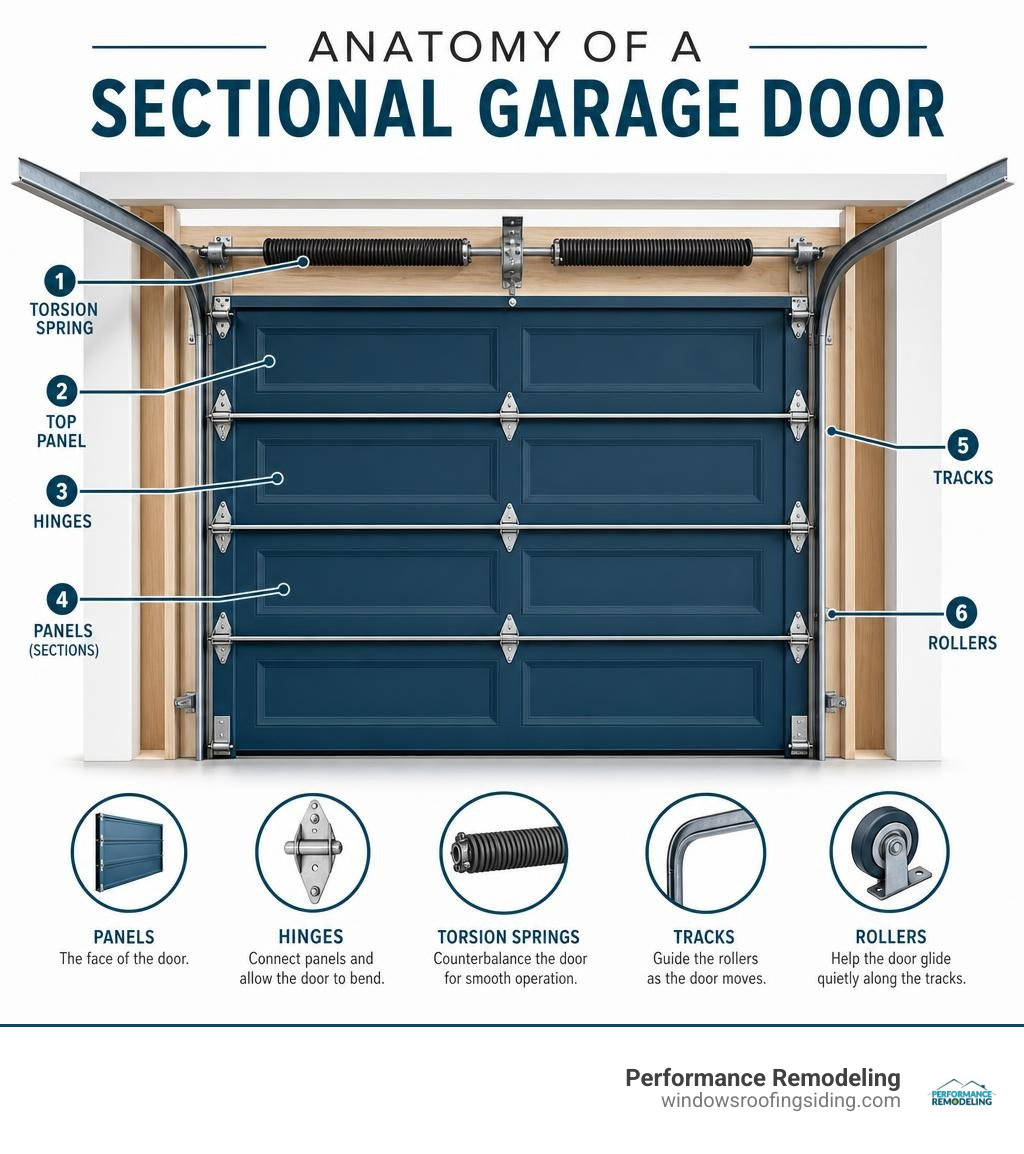
Easy garage door panel replacement word list:
Evaluating Your Options: Single Garage Door Panel Replacement vs. Full Door Replacement
When a car bumps into your garage door, or a rogue basketball hits it with just the right force, your immediate instinct is probably to look for a quick fix. However, sectional overhead doors function as cohesive, highly calibrated systems. Before jumping into a repair, you must evaluate the structural integrity of the entire assembly.
Sectional doors are composed of individual horizontal sections connected by hinges and guided by rollers along a track. When an impact occurs, the force is rarely isolated to the exterior skin of that single section. It can bend the internal stiles, twist the hinges, or pull the rollers out of alignment.
If you are trying to decide whether to swap out a single section or invest in a brand-new system, we have put together a comprehensive decision guide on How to know whether to repair or replace to help you weigh the structural and functional factors.
Signs You Need a Garage Door Panel Replacement
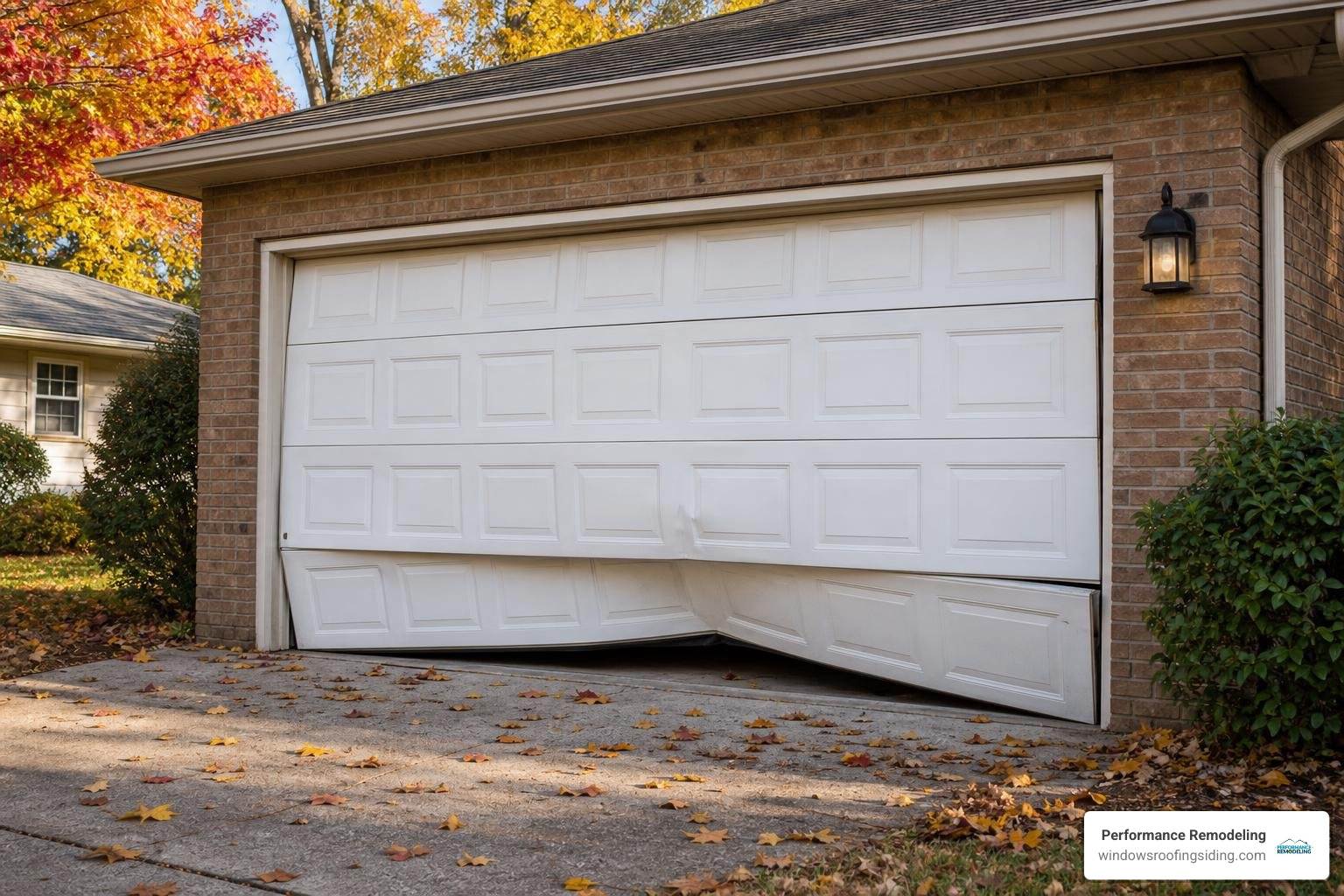
How do you know when a panel has crossed the line from “cosmetically challenged” to “structurally compromised”? Look for these classic warning signs:
- Creased Metal: On steel or aluminum doors, a deep, creased dent across the face of the panel ruins its structural rigidity. Unlike a shallow bowl-shaped dent, a crease prevents the panel from supporting its own weight when horizontal.
- Sagging Sections: If you look at your door while it is opening and notice the middle of a panel bowing or sagging downward, the internal reinforcement has failed.
- Hairline Cracks: Often found around the hinge connection points or near the center of the door, cracks in the skin or the internal frame will quickly spread due to the daily flexing of the door.
- Wood Rot and Delamination: For wood doors in damp areas like St. Clair County or Macomb County, soft spots, peeling layers, or wood rot mean the panel’s core is failing.
- Operational Strain: If your garage door opener is suddenly straining, making grinding noises, or reversing unexpectedly, a bent panel could be throwing the door off balance and binding the rollers in the tracks.
The Math Behind Panel Repair vs. Complete System Upgrades
From a financial perspective, replacing a single panel is highly cost-effective if your door is relatively new and the damage is isolated. However, as the damage spreads to multiple sections, the financial math shifts rapidly.
When you consider that a brand-new, fully installed insulated steel garage door system– replacing two or more panels quickly approaches or exceeds the cost of a complete upgrade.
Material Showdown: Steel, Wood, and Alternative Garage Door Materials
The material of your garage door panels dictates how they handle impact, how much maintenance they require, and how well they insulate your home during freezing Southeast Michigan winters.
| Material | Average Lifespan | Maintenance Level | Insulating Value (R-Value) | Best For |
|---|---|---|---|---|
| Galvanized Steel | 15–30 Years | Very Low | High (Up to R-12.9+) | Durability, energy efficiency, and budget-friendly security |
| Natural Wood | 15–20 Years | High (Requires sealing/painting) | Moderate (R-3 to R-6) | Historic properties, custom designs, and premium curb appeal |
| Composite Faux Wood | 20–30 Years | Low | High (Up to R-12+) | Shingle-style homes, wet climates, and low-maintenance wood looks |
| Aluminum & Glass | 15–25 Years | Low | Low to Moderate | Modern designs, maximum natural light, and clean lines |
Steel Garage Doors: Durability and Low Maintenance
Steel is the undisputed king of modern residential garage doors. Constructed from heavy-duty galvanized steel, these doors are designed to resist rust, denting, and the brutal freeze-thaw cycles of Metro Detroit.
To prevent thermal transfer, modern steel doors utilize sandwich-style construction, where a layer of advanced polyurethane or polystyrene foam insulation is pressure-bonded between two steel skins. This design can achieve an impressive R-value of 12.9 or higher, keeping your garage warm and reducing your home heating bills in places like Farmington Hills MI and Rochester Hills MI.
For homeowners seeking maximum protection, steel is also the foundation for high security garage doors, offering robust resistance against forced entry.
Wood and Composite Garage Doors: Timeless Michigan Curb Appeal
Nothing quite matches the warmth and character of a natural cedar, redwood, or hemlock garage door. If you own a historic home in Plymouth MI or Romeo MI, natural wood may be the only material that preserves your property’s architectural integrity.
However, natural wood requires significant upkeep. Without regular painting or staining, the moisture from Michigan snow and rain will cause the wood to swell, warp, and eventually rot.
If you love the look of wood but hate the maintenance, composite faux wood is an exceptional alternative. These doors feature a durable, moisture-resistant polymer cladding molded from real wood planks and bonded to an insulated steel core. Faux wood composites offer outstanding rot resistance, excellent thermal efficiency, and can be ordered to match your home’s trim perfectly.
Sizing, Sourcing, and Cost Factors for Replacement Sections
If you decide to move forward with a garage door panel replacement, you cannot simply buy any panel off the shelf. Garage door panels are not universal. Each manufacturer uses proprietary dimensions, thicknesses, and interlocking joint profiles.
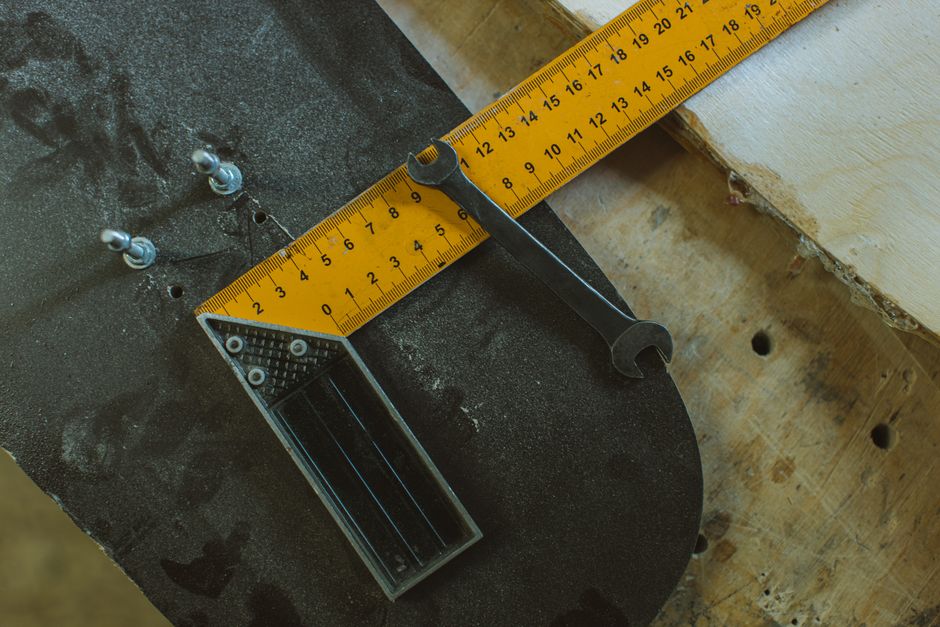
How to Measure for a Garage Door Panel Replacement
To ensure your replacement section fits seamlessly, you must gather precise measurements and identification details.
- Locate the Manufacturer’s Label: Open your garage door halfway and look at the interior side of the panels, the side edges, or the interior door frame. You are looking for a data plate or sticker containing the manufacturer’s name (such as Clopay, Amarr, C.H.I., or Wayne Dalton), the model number, the manufacturing date, and the color code.
- Measure the Width: Measure the exact horizontal width of the damaged panel from outer edge to outer edge. Standard residential widths are typically 8 feet, 9 feet, or 16 feet.
- Measure the Height: Measure the vertical height of the panel. Most residential sectional panels are either 18 inches, 21 inches, or 24 inches tall.
- Determine the Thickness: Measure the thickness of the door section (usually 1-3/8 inches, 1-1/2 inches, or 2 inches).
- Inspect the Joint Profile: Take note of how the panels interlock. Modern doors use tongue-and-groove or pinch-resistant shiplap joints. If the joint profile has been updated by the manufacturer since your door was built, a new panel will not interlock with your old sections.
If you are having trouble finding these details, consulting a local specialist in Farmington Hills MI can help you identify discontinued or hard-to-find models.
Sourcing OEM Parts
For a safe and visually seamless repair, we always recommend sourcing Original Equipment Manufacturer (OEM) parts. Sourcing an OEM panel ensures that the steel gauge, insulation type, and paint color match your existing door as closely as possible.
While DIY sourcing is possible, professional door companies have direct access to manufacturer warehouses, which can reduce lead times from several weeks down to just a few business days.
Step-by-Step Guide to Safe Panel Installation and Alternatives
Replacing a garage door panel is a complex mechanical task. Because garage doors rely on high-tension spring systems to balance their immense weight, attempting a DIY replacement without the proper training and tools can lead to severe injury or property damage.
Safety First: Managing High-Tension Springs and Cables
We cannot overstate the danger of garage door springs. Whether your home uses torsion springs (mounted on a metal bar above the door) or extension springs (running along the upper tracks), these components are wound under extreme tension.
The bottom brackets of your garage door are directly connected to the lift cables, which are under constant tension from the springs. Never attempt to loosen or remove the bolts on the bottom corner brackets of a garage door while the spring system is tensioned. Doing so can cause the bracket to fly off with lethal force.
For additional general safety context, the Door & Access Systems Manufacturers Association provides industry resources related to garage door systems, including proper operation, maintenance, and safety considerations. If your panel damage was caused by a severe impact or an off-track event, the spring tension must be safely released using professional winding bars before any structural repair begins. For homeowners in Southeast Michigan, professional technicians specialize in safely managing these high-tension systems during structural repairs.
Step-by-Step Removal and Installation Process
If you have the proper safety equipment, mechanical experience, and a helper, here is how a professional technician replaces an intermediate garage door panel:
- Secure the Door: Lower the garage door completely and disconnect the automatic opener. Use locking pliers (C-clamps) on the tracks directly above the rollers of the panels you are not removing to prevent the door from moving.
- Release Spring Tension (If Required): If you are replacing the bottom or top panel, a professional must carefully unwind the torsion springs using rated winding bars.
- Remove Hinges and Hardware: Working from the top down, unbolt the hinges connecting the damaged panel to the section above it. If you need local support with hardware in Shelby Township, you can find certified local technicians to assist.
- Slide Out the Damaged Panel: Carefully lift or slide the damaged section out of the tracks. If you are located further south, you can coordinate parts and extraction assistance with local specialists in Macomb Township MI.
- Transfer Roller Brackets: Remove the roller brackets and hinges from the old panel and install them onto the new OEM replacement panel.
- Insert the New Panel: Slide the new panel into the tracks, ensuring the tongue-and-groove joint seats perfectly with the adjacent panel.
- Reconnect and Rebalance: Rebolt all hinges, restore the spring tension, and manually test the door’s balance. The door should stay in place when opened halfway; if it falls or shoots upward, the springs must be recalibrated.
- Adjust Opener Force Settings: Reconnect the automatic garage door opener and run a safety reverse test to ensure the opener motor is calibrated to the weight of the new panel.
Alternatives to Panel Replacement: Struts, Brackets, and Cosmetic Fixes
If your panel has minor damage, you might not need a full replacement. Consider these cost-effective alternatives:
- Reinforcement Struts: If a steel panel is sagging slightly in the middle but is otherwise intact, installing a heavy-duty steel reinforcement strut across the interior width of the section can restore its rigidity.
- Heavy-Duty Brackets: Cracked hinge connection points can often be reinforced using oversized garage door reinforcement brackets to distribute the pulling force over a larger surface area.
- Cosmetic Dent Repair: For shallow, uncreased dents under two inches in diameter on non-insulated steel doors, a technician can sometimes use specialized paintless dent repair (PDR) tools to massage the metal back into shape for a fraction of the cost of a new panel, as noted in industry repair guides.
Frequently Asked Questions about Garage Door Remodeling
Making changes to your garage door can impact your home’s energy efficiency, security, and curb appeal. Here are answers to the most common questions we hear from Metro Detroit homeowners.
Can I replace a discontinued garage door panel?
If your garage door is older and the manufacturer has discontinued your specific model, finding an exact matching panel can be incredibly difficult. In some cases, local service providers can search regional warehouses for leftover stock, or source a close-match style from the same manufacturer.
However, if the tongue-and-groove joint profile does not match your existing panels perfectly, they will not interlock safely. In this scenario, investing in a full door replacement is the safest and most practical choice. For more details on sourcing hard-to-find sections, you can consult with local specialists in Commerce Charter Township MI, Novi MI, or Plymouth MI.
Furthermore, industry experts emphasize that trying to force mismatched panels together can ruin the door’s tracking and cause the entire system to collapse.
How does cold Michigan weather affect garage door panels?
Southeast Michigan winters are notoriously tough on exterior home components. Freezing temperatures cause steel panels to contract slightly, which can put extra strain on hinges and track alignments.
For wood doors, the high humidity from winter snow causes the wood fibers to swell, leading to cracking, paint peeling, and warping if the panels are not properly sealed.
To protect your home from the cold, it is essential to choose replacement panels with a high insulation R-value and high-quality bottom weatherstripping to seal out freezing drafts.
Will a new replacement panel match my existing door’s color?
Even if you order the exact same color code from the original manufacturer, a brand-new panel may look slightly brighter than your existing door. This is because years of exposure to UV radiation and Michigan weather will naturally fade and discolor the original paint finish.
For doors under five years old, the slight color difference is usually minimal and will naturally blend in within 6 to 12 months of sun exposure. For older doors, you may want to consider professional repainting to ensure a perfectly uniform look across all sections.
Conclusion
Whether you need a single garage door panel replacement to fix a minor dent, or you are ready to upgrade your home’s curb appeal with a brand-new insulated steel or composite system, making the right choice is all about balancing cost, safety, and long-term durability.
At Performance Remodeling, we bring over 18 years of local experience, top-tier craftsmanship, and the best lifetime guarantee in Southeast Michigan to every home improvement project. We proudly serve homeowners across Oakland County, Macomb County, Wayne County, and the entire Metro Detroit area.
If you are ready to restore your home’s beauty and energy efficiency, we are here to help. Schedule a professional garage door consultation with our team today, explore our full range of Services, or Contact Us to get a free, honest estimate on your next project!