
Advantages of Custom Replacement Windows vs. Standard Sizes
When updating the fenestration on a Metro Detroit home, off-the-shelf units from local home centers often prove to be a round peg in a square hole. Standard-sized windows are manufactured to fixed stock dimensions. If your existing wall opening is off by even half an inch—a frequent reality in older Michigan housing stock—you are forced to modify the opening or settle for a compromised installation.
Choosing custom replacement windows provides exact dimensions calculated down to 1/8-inch increments. This precise manufacturing eliminates gaps, protects structural integrity, and ensures that the structural performance of your home stays uncompromised.
Preserving Wall Structures Without Structural Alterations
Installing off-the-shelf windows into non-standard openings requires intrusive structural alterations. To make a smaller standard unit fit a larger hole, contractors must build out the rough opening using extra dimensional lumber, insulation, drywall patches, and exterior trim work. Conversely, forcing a larger stock window into a smaller opening demands structural reframing, cutting into studs, and relocating load-bearing headers.
Custom-manufactured units prevent these invasive modifications. By engineering the window assembly to match the exact void left by your old window, your home’s original framing, drywall, interior plaster, and exterior siding remain intact. This saves considerable labor cost and prevents messy interior construction. For a deeper breakdown of how siding and window projects intersect financially, take a look at our guide on understanding siding and window replacement math.
Enhanced Energy Performance and Architectural Aesthetics
The key advantage of custom units lies in the continuous, draft-free seal created around the window perimeter. When standard windows are padded with wide wood shim spaces and layers of expanding foam, long-term air infiltration risks rise as materials expand and contract during extreme Michigan winter freeze-thaw cycles. Custom window assemblies fit snugly into the opening, optimizing thermal performance.
From a design perspective, custom windows let you preserve or elevate your home’s architectural heritage. Whether you live in a historic classic in Plymouth or a modern build in West Bloomfield, custom options give you total artistic control:
- Custom Grids and Muntin Patterns: Match colonial, prairie, or craftsman architectural styles without sacrificing modern double-pane insulating performance.
- Artistic Glass Inserts: Incorporate specialized decorative accents, such as stained glass panels or leaded art glass, directly inside factory-sealed triple-pane insulated units.
- Color Matching: Select specialized interior and exterior frame finishes that complement your home’s trim, siding, or masonry.
Selecting Frame Materials, Window Styles, and Energy Glass
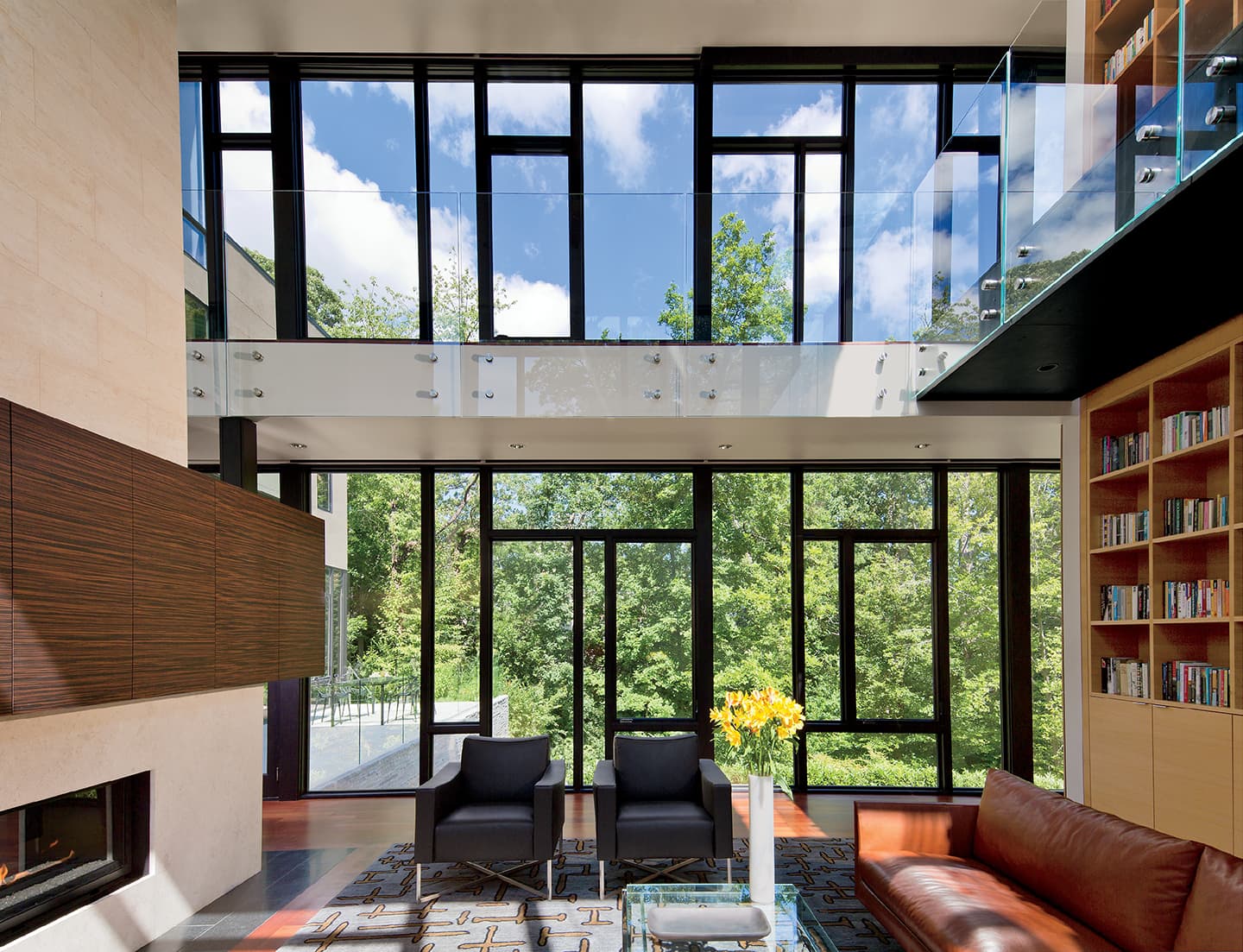
Selecting the right combination of frame materials, window operating mechanisms, and energy-efficient glass packages is vital for long-term comfort in Southeast Michigan’s severe climate.
Window Styles and Frame Characteristics
Each window frame material and operating style offers distinct thermal, structural, and aesthetic characteristics:
- Vinyl Frames: Vinyl frames are the most popular choice across Metro Detroit homes due to their excellent thermal resistance, zero-maintenance requirements, and affordability. Premium multi-chambered vinyl profiles trap still air inside internal pockets, offering robust insulation that will not rot, warp, or require repainting.
- Wood Sashes and Cladding: Wood offers classic warmth and natural beauty, making it ideal for historic renovations. Modern custom wood windows feature durable exterior aluminum cladding to shield the wood sashes from snow, rain, and UV damage.
- Fiberglass Frames: Exceptionally strong and thermally stable, fiberglass expands and contracts at virtually the exact same rate as glass, reducing stress on window seals.
- Double-Hung & Single-Hung: Double-hung windows feature two operating sashes that slide vertically, allowing upper and lower ventilation while letting you tilt sashes inward for easy interior cleaning. Single-hung windows feature a fixed top sash and a movable bottom sash.
- Casement and Awning Windows: Outward-swinging casement windows operate with a hand crank, creating a airtight mechanical seal against the weather stripping when locked shut.
- Bay, Bow, and Picture Windows: Fixed picture windows deliver maximum natural light and unobstructed view lines, while multi-panel bay and bow projection windows add depth, light, and dimension to living areas.
Feel free to explore our complete lineup of replacement windows options to see how these styles look in action.
High-Performance Glass and Energy Features
In Michigan, clear single-pane or basic clear double-pane glass simply cannot keep up with local heating demands. Modern custom replacement windows incorporate advanced glass tech engineered to lower utility bills year-round:
- Low-Emissivity (Low-E) Coatings: Microscopically thin, transparent metallic layers applied to the internal glass surfaces reflect radiant infrared interior heat back into your living spaces during winter while blocking solar heat during summer.
- Argon Gas Fill: Inserting dense, non-toxic argon gas between glass panes slows convective heat transfer far better than standard air.
- Double vs. Triple Pane: Dual-pane units are the residential standard, but upgraded triple-pane glass units add a third layer of glass and a second gas-filled chamber. This configuration yields maximum noise reduction and ultimate thermal insulation.
- Key Energy Ratings (U-Factor & SHGC): The U-Factor measures the rate of heat transfer through the frame and glass (lower numbers mean better insulation). The Solar Heat Gain Coefficient (SHGC) measures how effectively the glass blocks heat caused by direct sunlight.
Upgrading to ENERGY STAR® compliant custom vinyl windows can reduce home heating and cooling utility costs by up to 30%. For additional strategies on preparing your home’s envelope for freezing winter weather, check out our guide on weatherproofing windows for harsh winters.
Measuring, Costs, Timelines, and Installation Guidelines
| Window Material | Lead Time Range | Primary Advantage |
|---|---|---|
| Custom Vinyl | 2 – 4 Weeks | High energy efficiency, zero maintenance, great value |
| Custom Fiberglass | 4 – 6 Weeks | Exceptional structural strength, minimal thermal movement |
| Wood with Aluminum Cladding | 5 – 8 Weeks | Authentic historic aesthetics with protective weather barrier |
Measuring for Custom Replacement Windows: Rough Openings vs. Frame Size
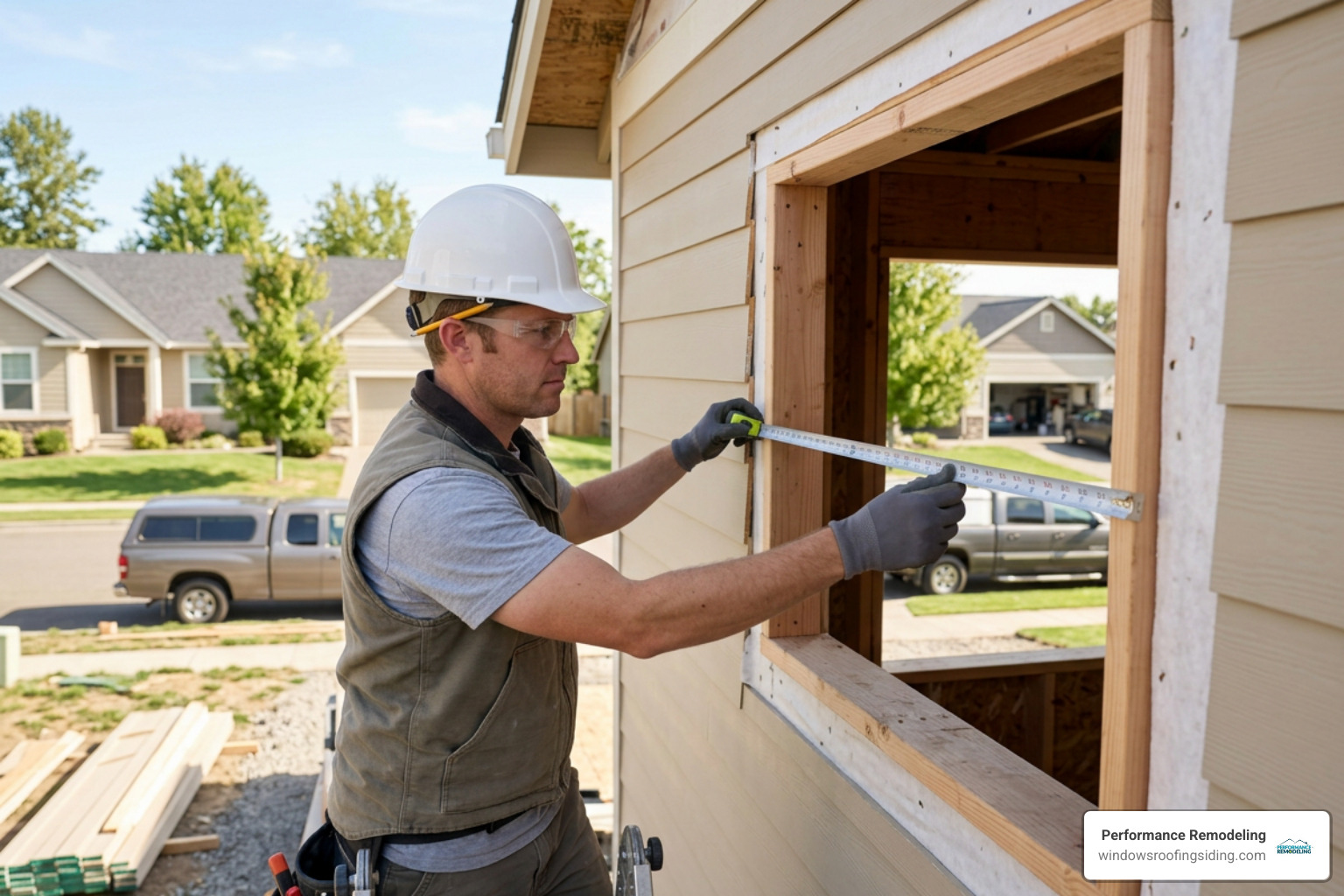
Accurate measurement is the foundation of a smooth window replacement. Understanding the difference between the rough opening and the actual window frame size prevents costly sizing mistakes:
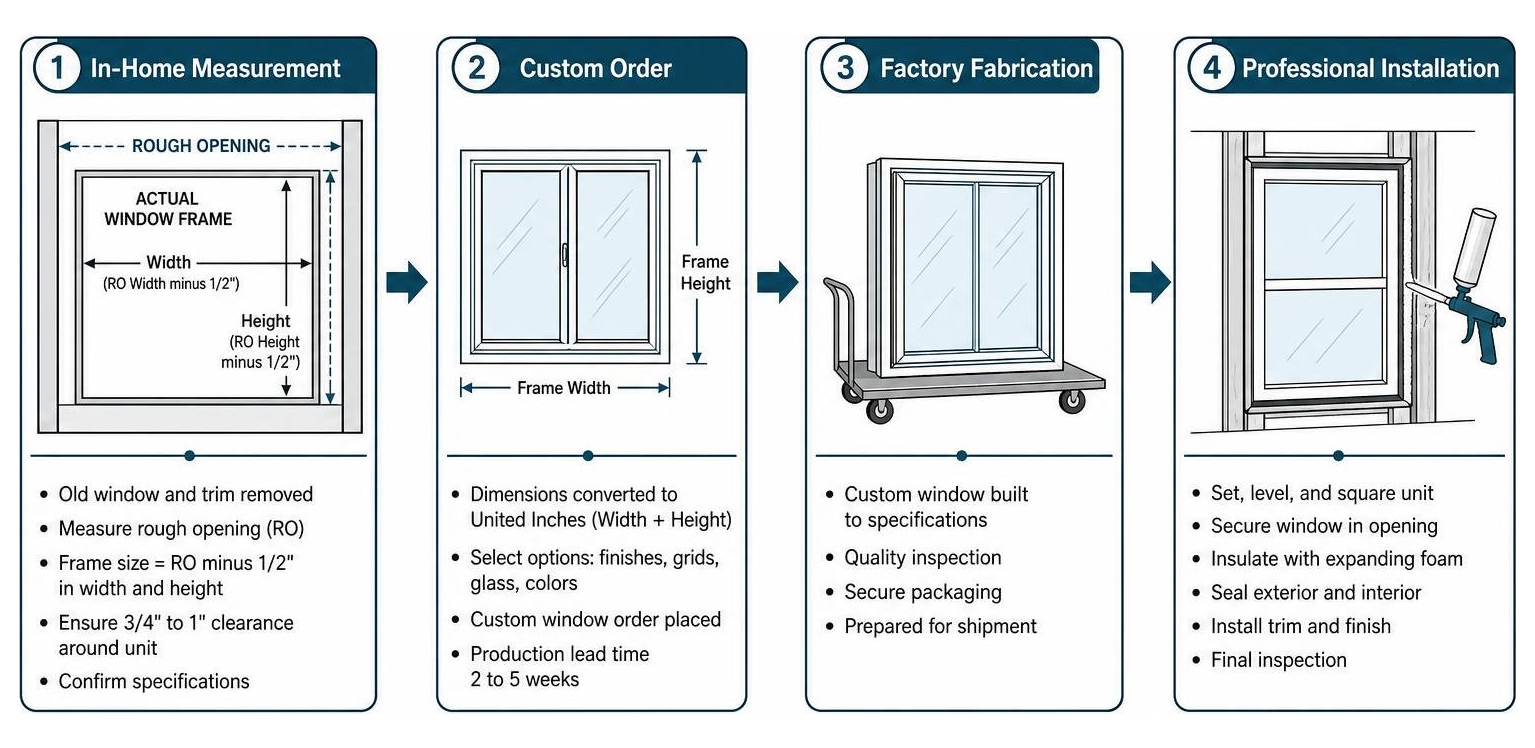
- The Rough Opening (RO): The structural space defined by the wall studs, header, and sill plate once the old window and trim are removed. The rough opening should measure between 3/4-inch to 1-inch larger than the new replacement window unit.
- The Actual Window Frame Size: To ensure adequate clearance for leveling, squaring, and applying insulating foam, the ordered window frame size is recommended to be 1/2-inch less than the rough opening dimensions in both width and height.
Key Factors Influencing Custom Replacement Windows Cost
The total project investment for custom windows depends on several key variables:
- United Inches (UI): Manufacturers calculate custom material pricing by adding frame width inches to frame height inches ($Width + Height = United\ Inches$).
- Customization Level: Specialized interior wood grain finishes, custom grid configurations, painted exterior frames, and custom glass textures add to base manufacturing costs.
- Production Lead Times: While standard off-the-shelf stock windows ship quickly, direct custom factory orders ship in roughly 2 to 5 weeks depending on material complexity and size specs.
Professional Installation vs. DIY Project
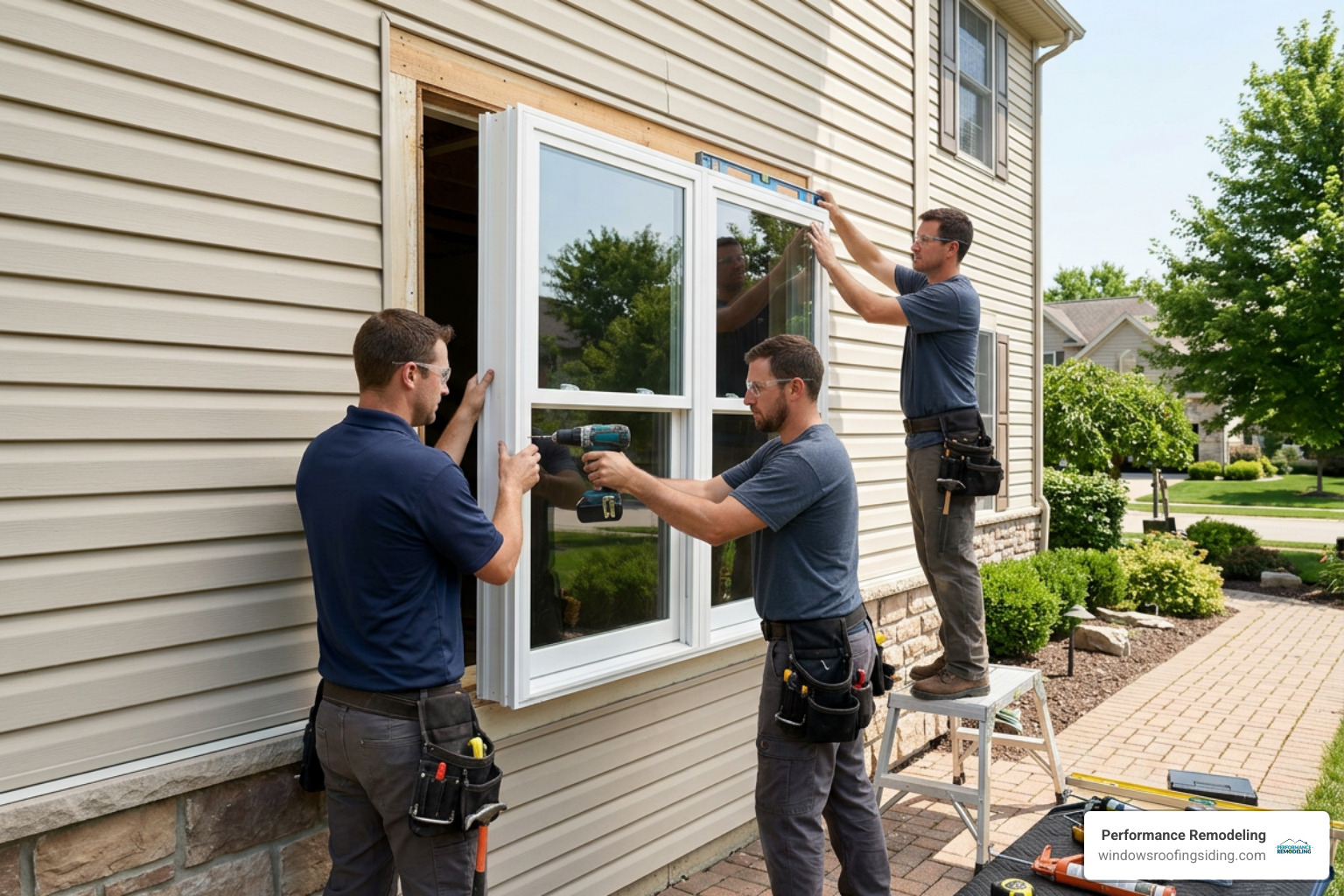
While experienced DIYers may attempt simple single-hung swaps, professional window installation ensures long-term weather tightness and preserves factory warranty coverage.
Unlike new construction windows that rely on exterior nailing fins secured directly to exposed exterior wall sheathings, a replacement window does not use a nailing fin. Instead, the unit is placed securely inside the existing sound window jambs and fastened using specialized heavy-duty screws driven directly through the interior window assembly side frames into the structural wall studs.
Choosing a certified professional team ensures:
- Precision Plumb and Square Alignment: Prevents sash binding, frame racking, and premature lock hardware wear.
- Proper Perimeter Flashings and Insulation: Uses low-expansion insulating foam to seal frame perimeters without bowing outer vinyl profiles.
- Comprehensive Installation Warranties: Secures labor and installation guarantees alongside underlying manufacturer material warranties.
If you are planning an upcoming home improvement project, review our detailed overview of what to expect during a professional window installation. Homeowners seeking dependable local service can also check out our dedicated guide on professional window installation in Farmington MI.
Frequently Asked Questions About Replacement Windows
How do I know if I need custom replacement windows instead of standard sizes?
If your home features non-standard window frame openings, historic wood casing, uneven masonry surrounds, or unique architectural dimensions, stock windows will require costly drywall and wall structural reframing. Custom units drop directly into your existing rough opening, preventing extra construction mess and preserving your exterior siding.
How long does it take to receive custom replacement windows after ordering?
Most custom replacement window orders ship in approximately 2 to 5 weeks depending on frame material selection, grid design, glass specifications, and factory manufacturing demand.
What is the difference between a replacement window and a new construction window?
A new construction window features an outer mounting flange called a nailing fin, which nails flush against exposed exterior wall studs before siding is applied. A replacement window omits the nailing fin, allowing it to slide directly into an existing intact window frame where it is secured with fasteners through the interior jamb walls.
Conclusion: Finding the Ideal Custom Window Solution for Your Home
Investing in high-performance custom replacement windows is one of the most effective ways to boost curb appeal, enhance indoor comfort, and lower monthly heating and cooling utility costs. By opting for custom-sized units tailored to your home’s exact dimensions, you avoid costly wall alterations, preserve structural integrity, and ensure a tight, weather-resistant fit.
At Performance Remodeling, we bring over 18 years of local experience to every home improvement project across Southeast Michigan. We combine premium materials and expert craftsmanship with the best lifetime guarantee in the region—giving you total peace of mind for decades to come.
Ready to transform your home’s comfort and appearance? Schedule your consultation for custom windows with our team today!